Components built from the drawing.
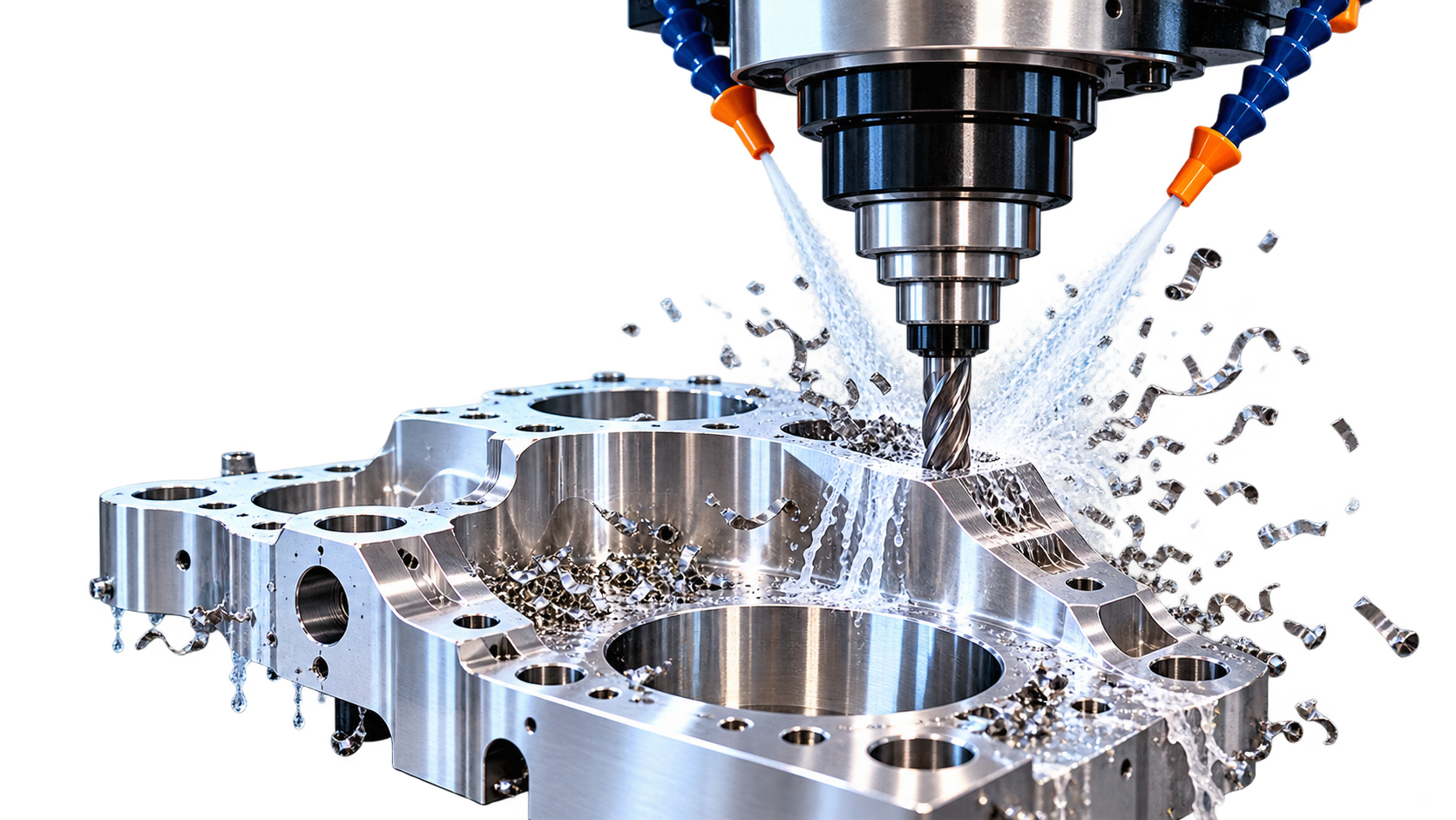
Divyana Aerospace manufactures precision-machined components for Aerospace and Industrial applications in Bengaluru. From drawing review and process planning through machining and inspection, the focus stays on the component—not a catalogue of finished products.
Show the buyer what the floor actually supports.
The specifications below are drawn from the supplied LMW purchase documents. Options are identified as listed in the scope of supply; final installed configurations should be confirmed from the machine nameplates and handover records.
Specifications and options are drawn from the supplied purchase documents; confirm final installed configurations before relying on option-specific values.
Show the buyer the information they actually need.
Capabilities, machine capacity, component families, material scope, quality approach and a direct RFQ path—without unsupported claims.
Build to print
Start with a 2D drawing, 3D model, material, quantity and critical tolerances.
5-machine floor
Four VMC machines and one CNC turning machine for component machining and repeat work.
Inspection-led release
Inspection and documentation are treated as part of manufacturing—not an afterthought.
One clear manufacturing journey.
From the customer drawing to the inspected component, every stage follows a defined manufacturing path.
Drawing
Review geometry, material, quantity and critical features.
Engineering
Review manufacturability, setup and process planning.
Programming
Prepare CAM programming, tooling and setup documentation.
Machining
CNC/VMC machining against the approved process.
Inspection
Dimensional verification to the drawing and agreed plan.
Buffing & Deburring
Machined components are deburred and finished as required to remove burrs, improve edge finish and prepare parts for subsequent operations.
Special Processes
Customer-specified special processes are coordinated with external suppliers according to the drawing, technical specifications and purchase order requirements.
Final & Customer Inspection
Components undergo final inspection against applicable drawing requirements. Customer inspection can be accommodated when specified or agreed upon.
Packing & Dispatch
Approved components are packed according to customer requirements and prepared for dispatch with the applicable documentation.
Machining for the component in front of us.
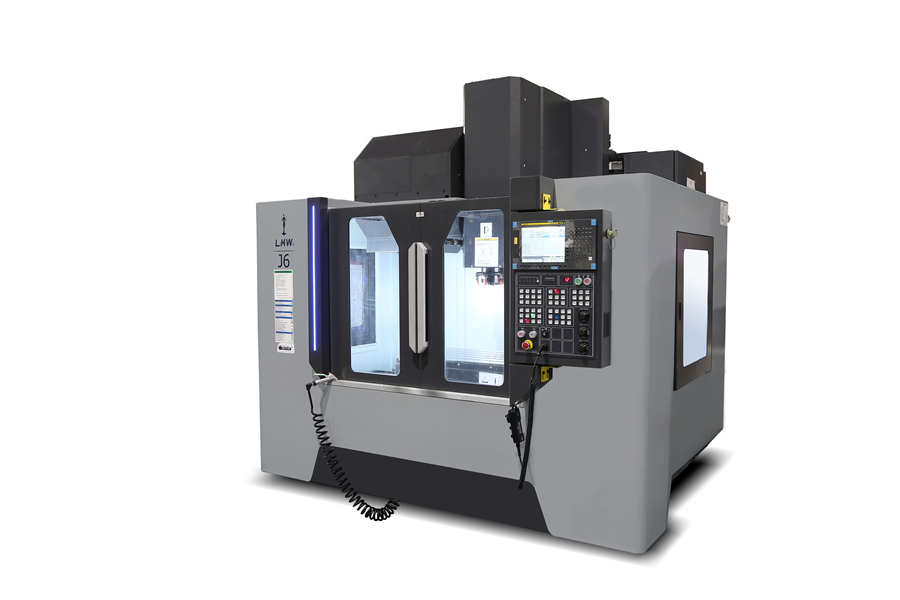
CNC / VMC Milling
Prismatic components, pockets, profiles, holes and multi-feature parts.
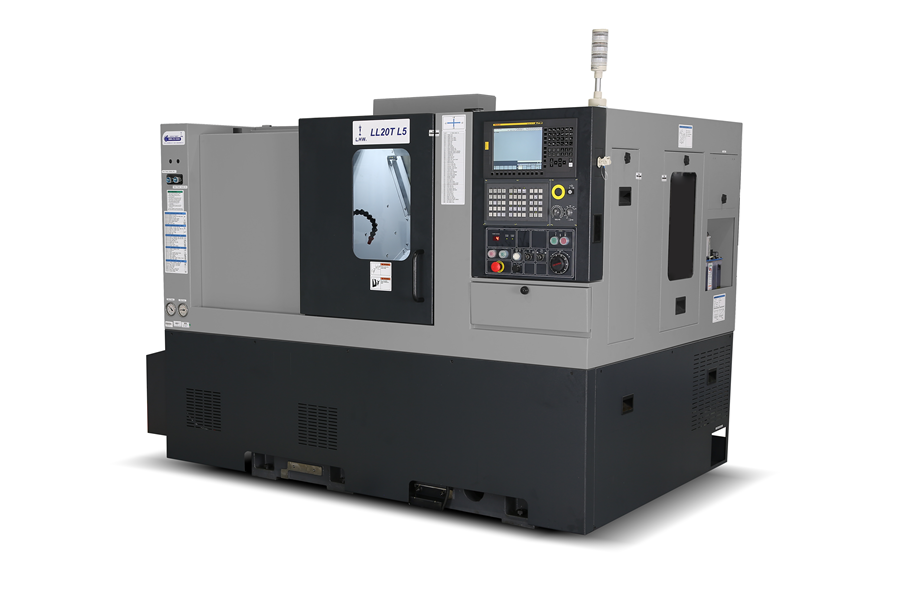
CNC Turning
Shafts, bushes, pins, spacers, flanges and cylindrical components.
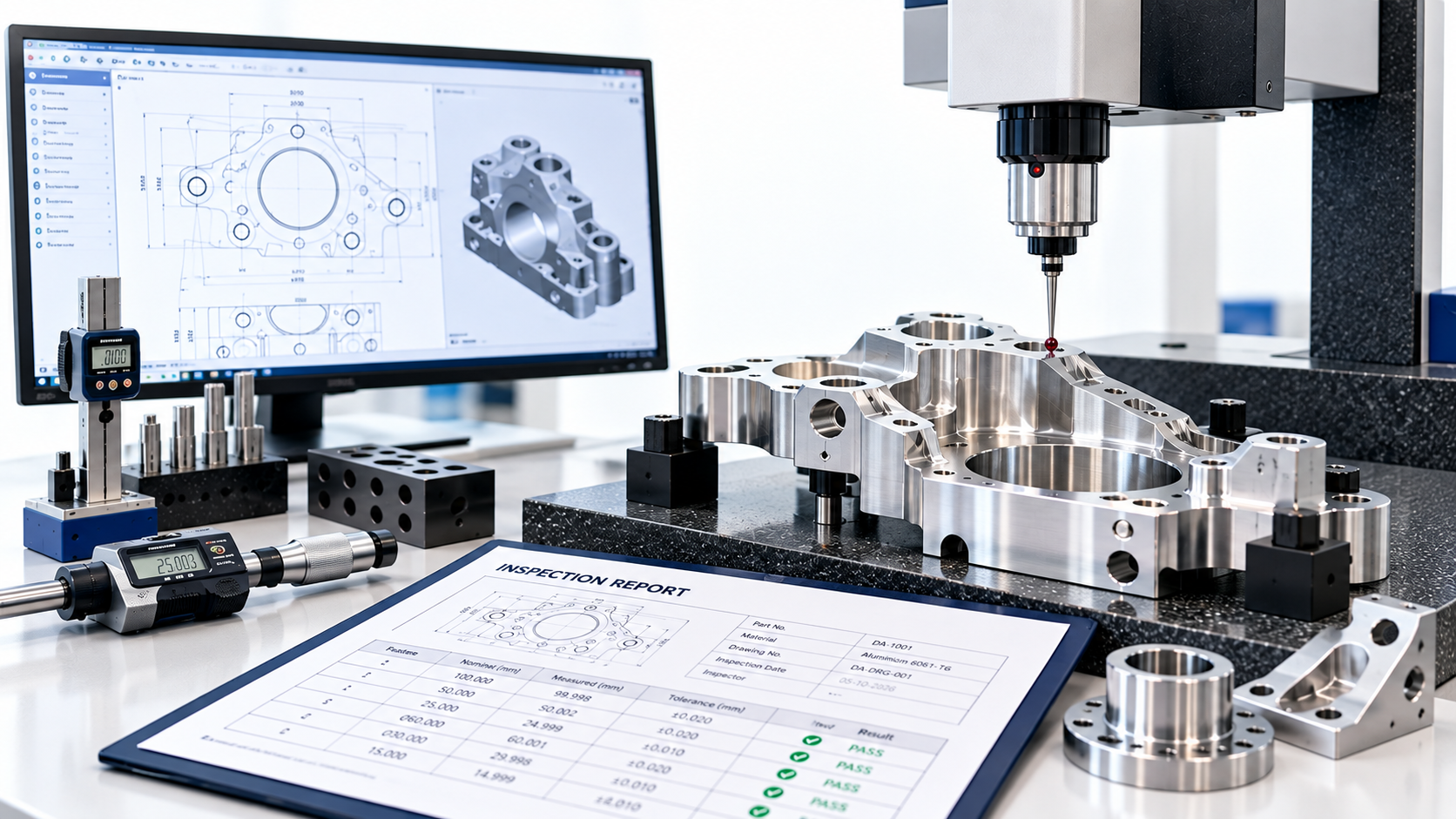
Quality & Inspection
Inspection planning, dimensional checks and documentation aligned to the drawing.
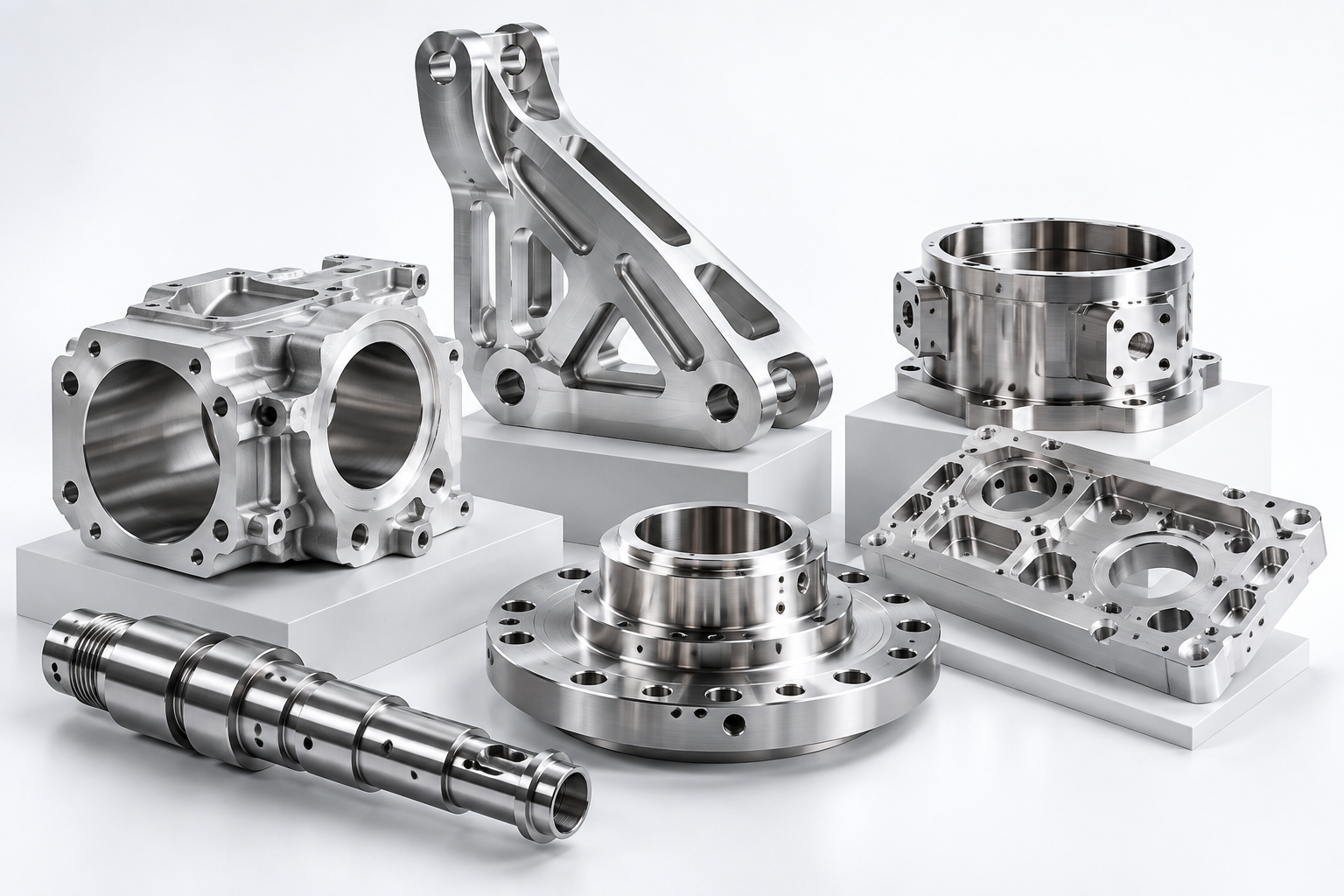
Not finished products. The critical parts inside them.
Brackets, housings, plates, shafts, flanges, fixtures and other machined component families can be presented here as the portfolio grows.
- Prismatic components
- Cylindrical and turned components
- Fixtures, tooling and production aids
- Prototype, first-off and repeat batch work
The manufacturing conversation starts before the machine.
Good component manufacturing begins with the drawing, revision, material, tolerances and the features that determine how the part must be made and inspected.
Drawing review
Review geometry, revision, datums, tolerances and critical features before quoting.
Manufacturability
Consider setups, access, tooling, workholding and practical machining sequence.
Process planning
Translate the approved requirement into a controlled machining route.
Inspection planning
Identify the dimensions and features that need verification before release.
Material, finish and documentation are part of the component.
Grade & condition
Quote with the exact material grade, condition and any required material certification.
Post-machining requirements
Identify deburring, surface treatment, heat treatment or other specified requirements.
Inspection & records
Flag inspection reports, traceability or customer documentation requirements at RFQ stage.
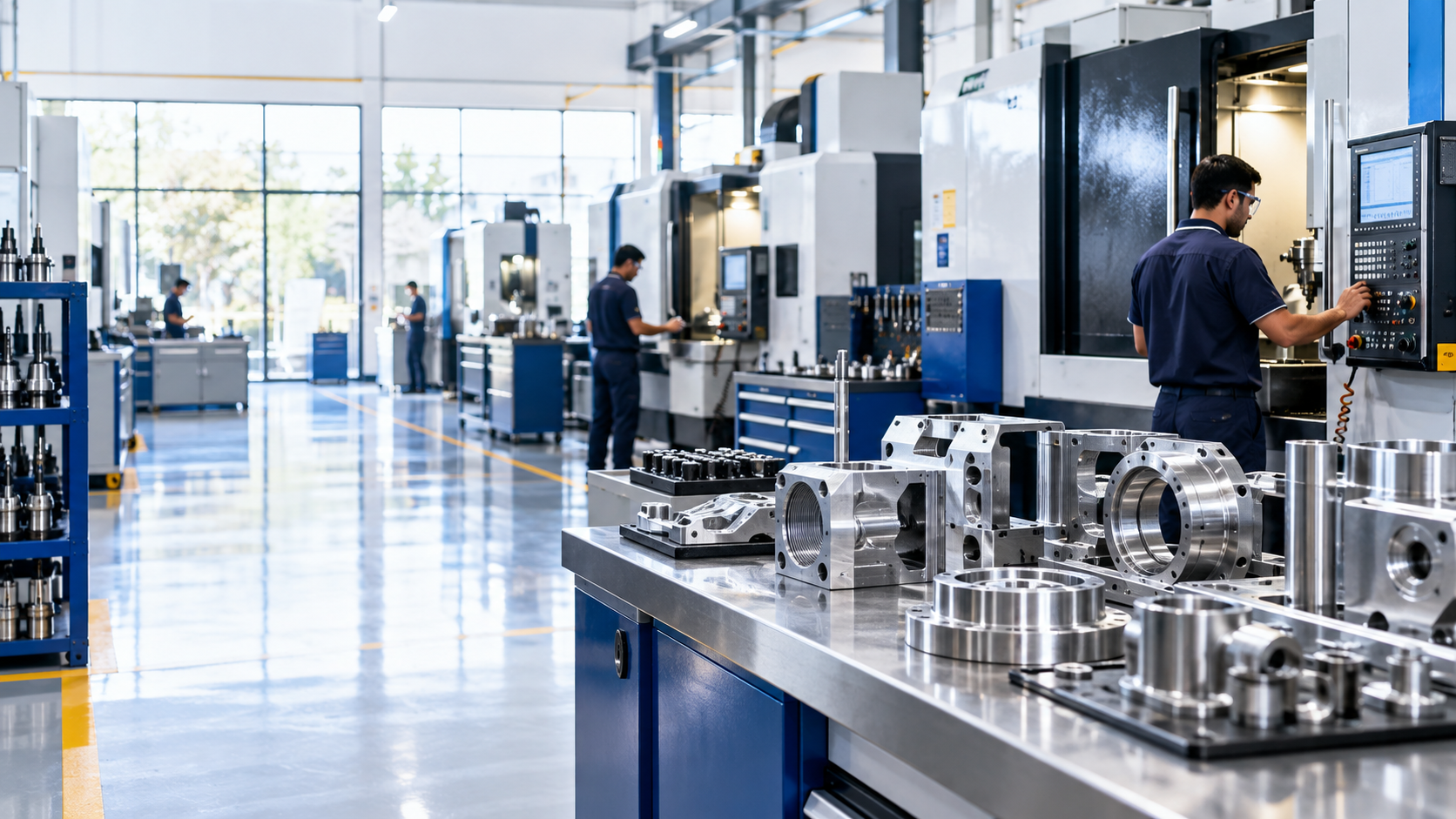
Have a drawing? Start there.
Send the 2D drawing, 3D model, material, quantity and the critical features that matter. We can review the manufacturability path before production.
Have a component to manufacture?
Send the drawing, material and quantity. Start with the geometry and let the manufacturing conversation begin there.